It was full moon the other day. Big moon big tide. Not only is high tide higher than average, low tide is lower. It gave me the opportunity to explore parts that are infrequently exposed.
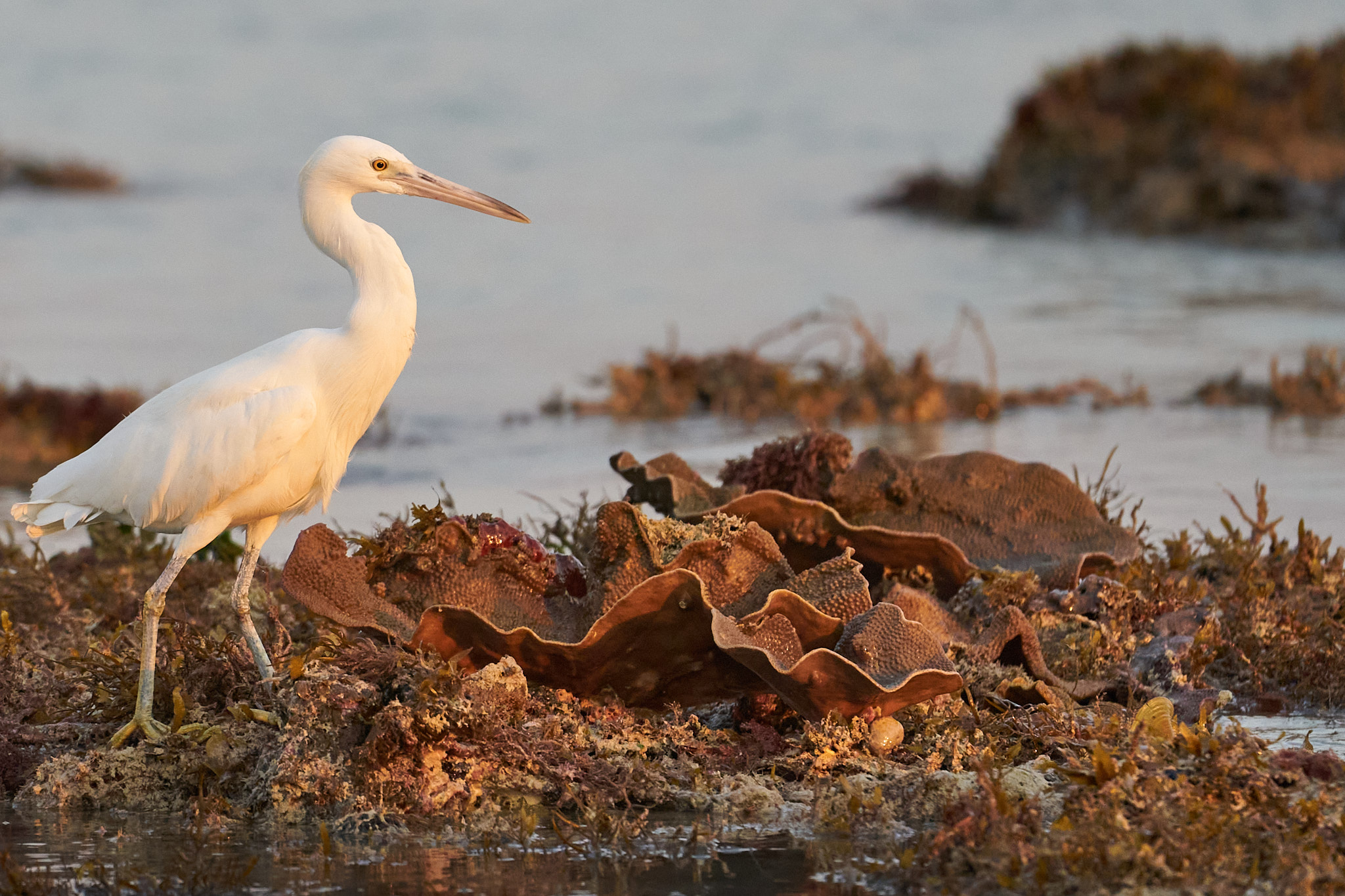
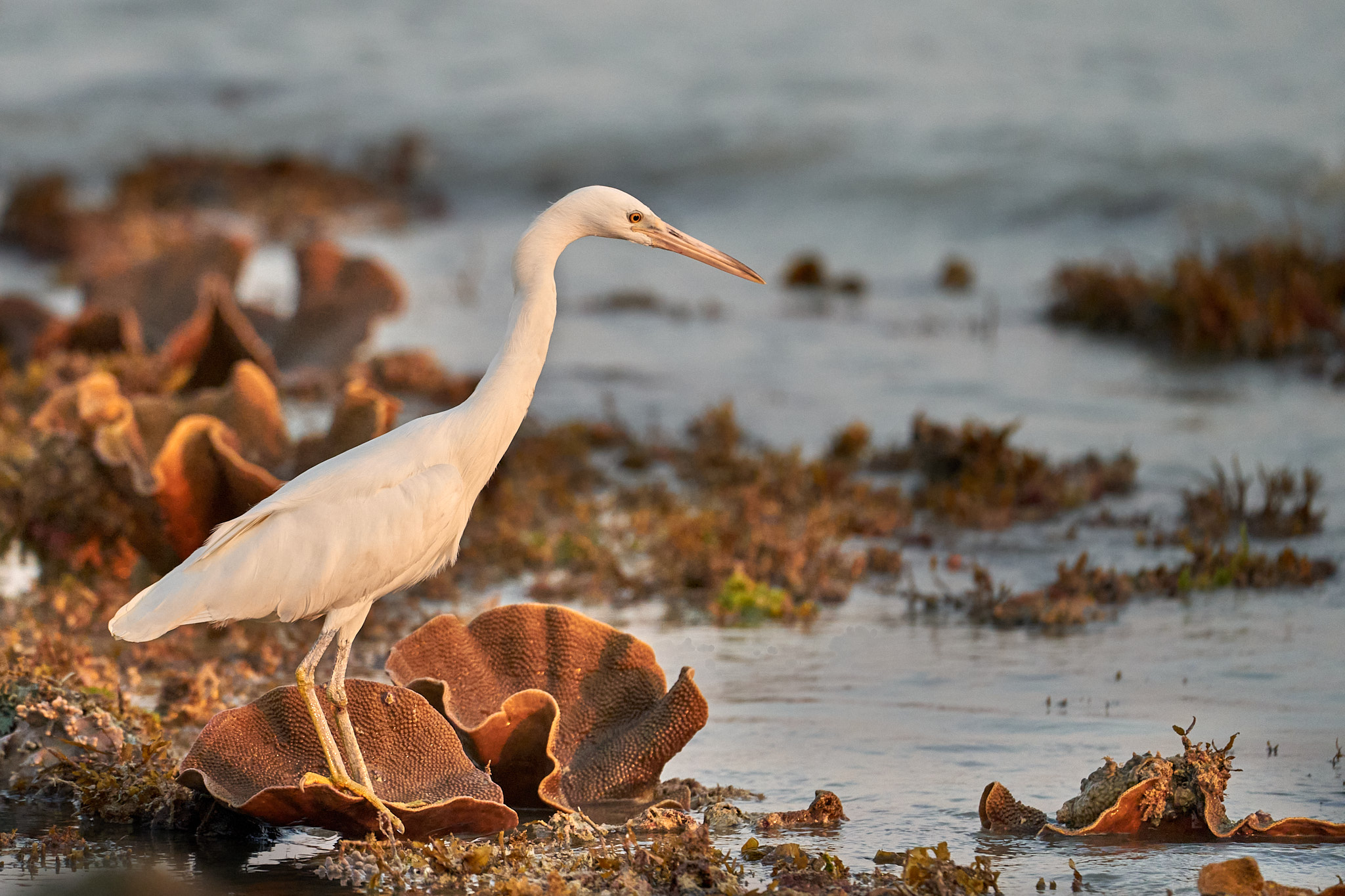
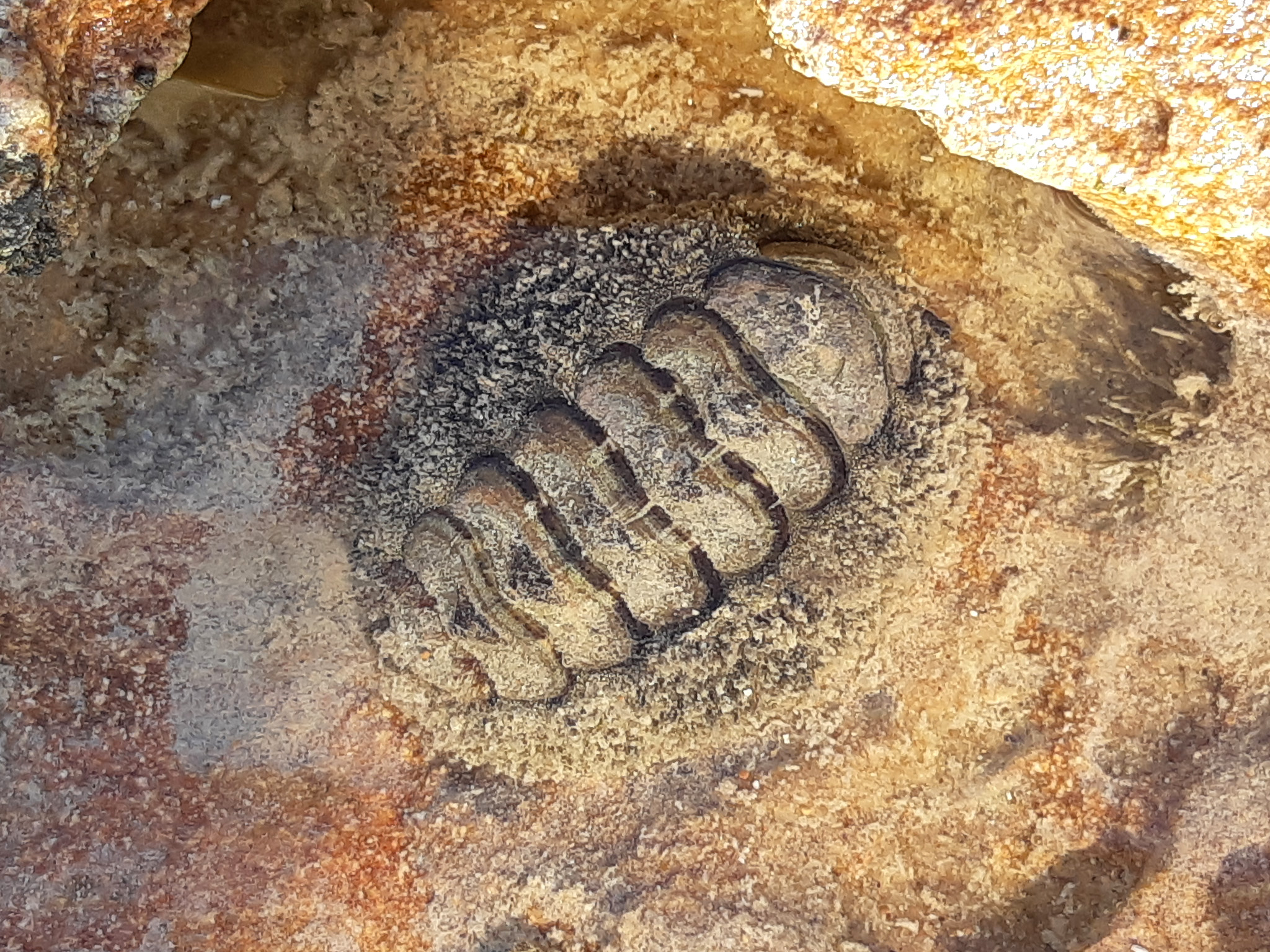
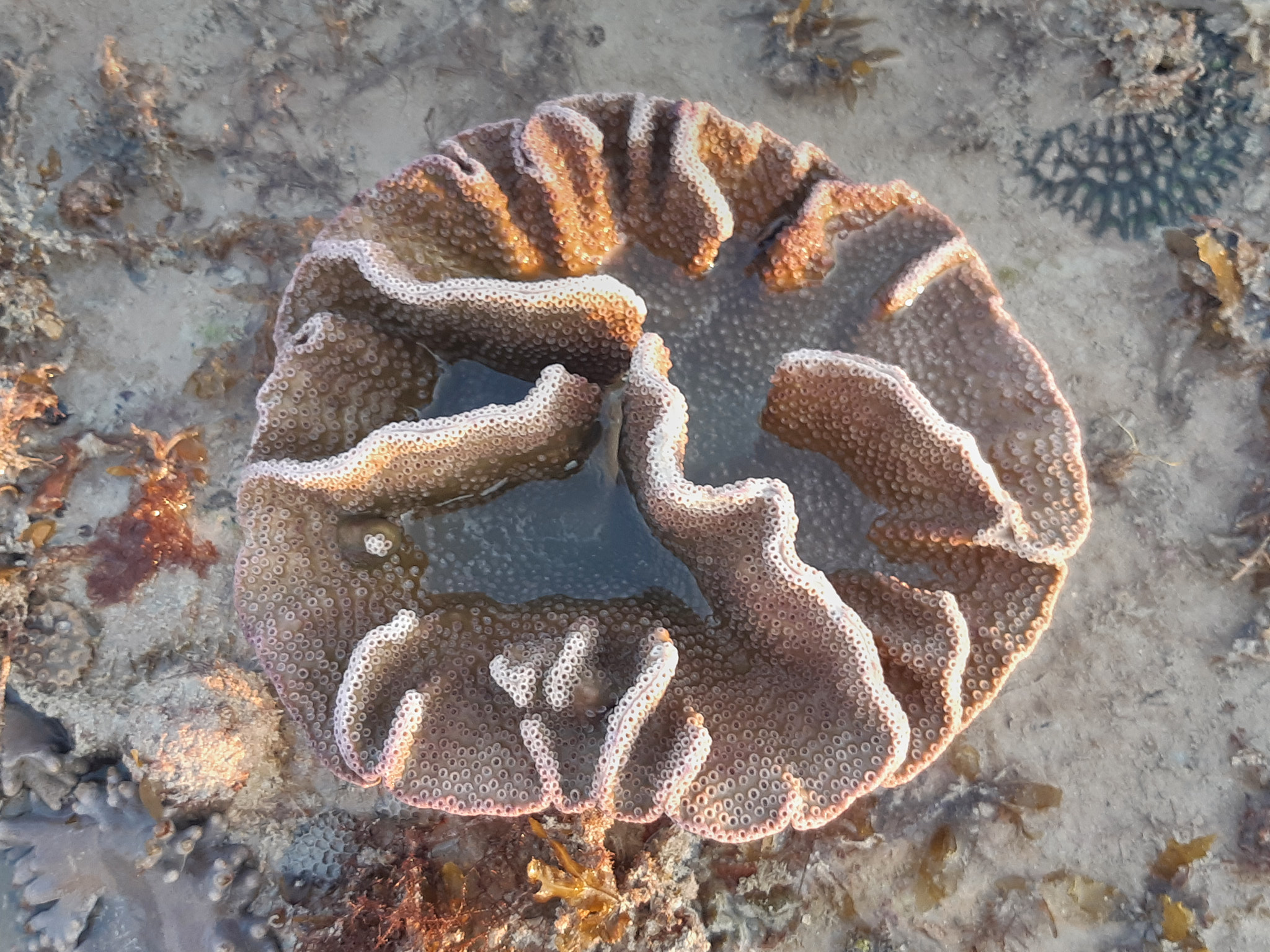
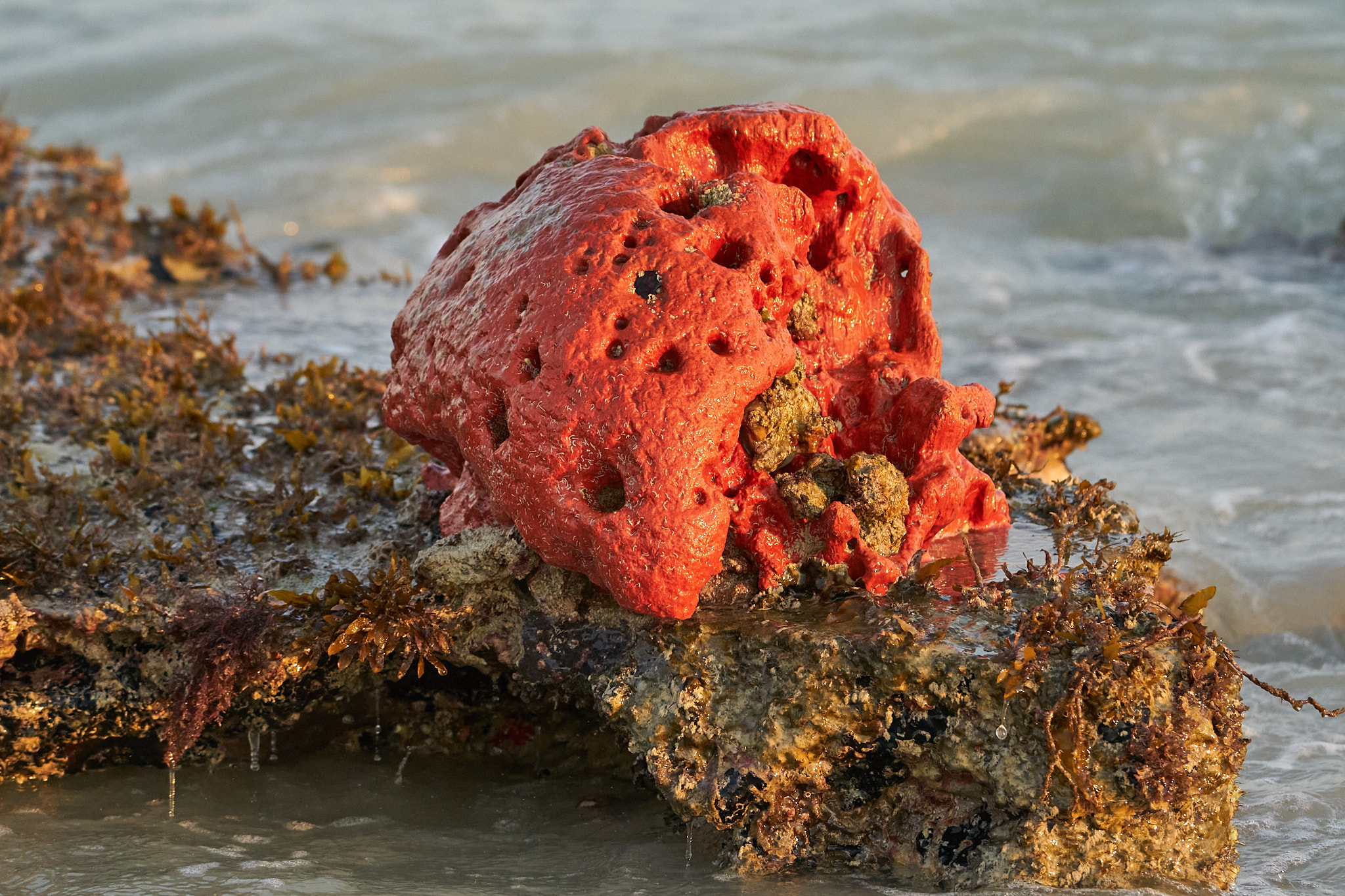
This Eastern Reef Egret is striding among the exposed coral, in the second photo it’s doing what I was being careful not to do, stand on the hard coral. But then it weighs a lot less than me. Surrounded by hard and soft corals, crinoids, sponges, chitons and a whole load of things beyond my identification skills, it was hard to keep my mind on the bird watching.
chitonbrain coralsoft coralsoft coral (from above)fire spongefeather star
Click on the galleries for a better look and feel free to narrow these critters down to species level in the comments.
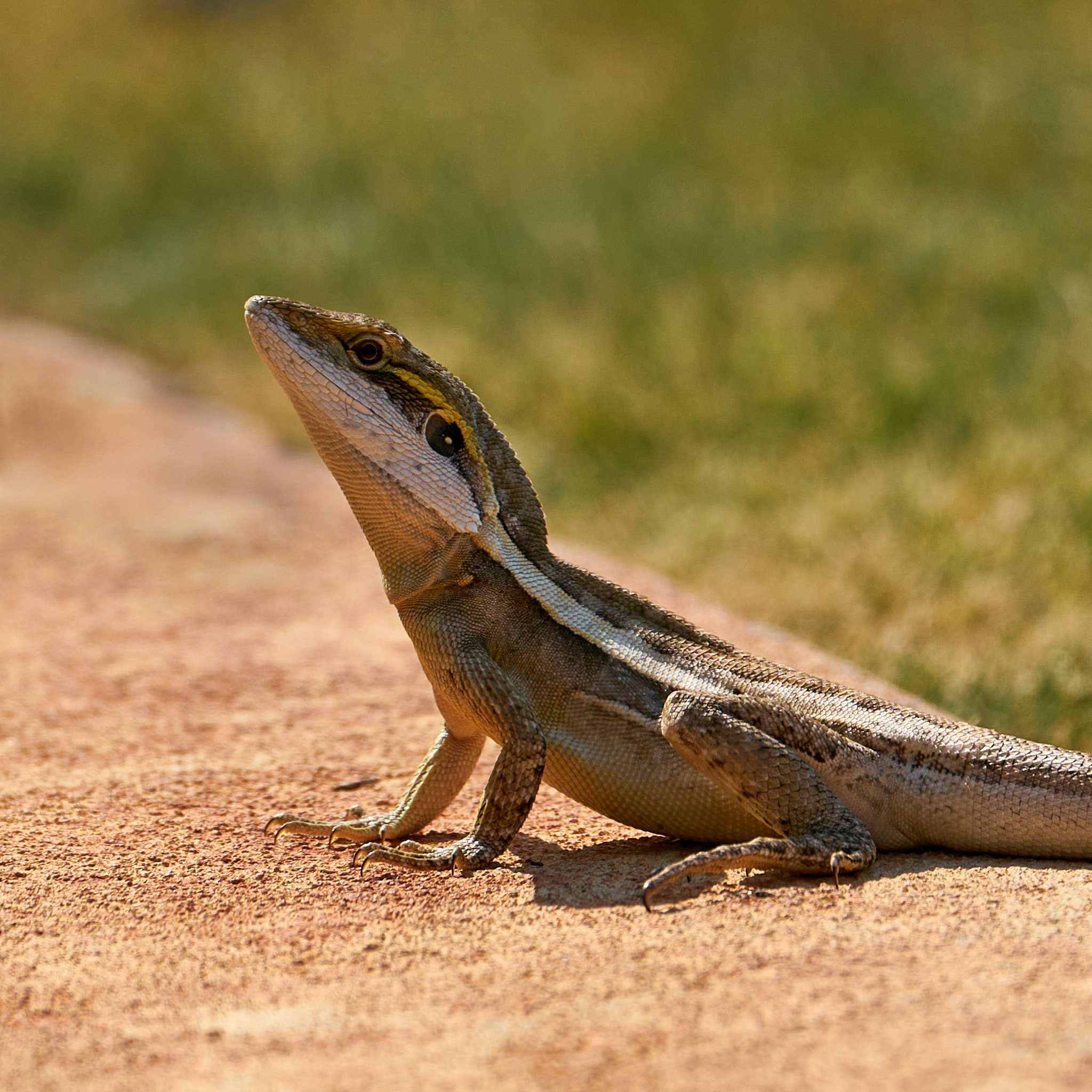
Gilbert’s Dragon (Amphibolurus gilberti) is one of the icons of Broome. Popularly known as the Tata Lizard because when resting they often wave an arm. They rarely let you get close, they race away on their hind legs. This one is a mature male, the females are drab imitations.
Evolution has equipped these guys with defenses so good they have no need for a flight response.
Wikipedia describes it as “the deadliest fish in the sea, with highly effective venom which can be lethal to humans.” Australia has two species, the Reef Stonefish Synanceia verrucosa and the Estuarine Stonefish S. horrida. They can be found in shallow marine environments from the Queensland NSW border around northern Australia to a little south of Shark Bay, WA. They are two of five species found throughout the warmer waters of the Pacific and Indian Oceans extending into the Red Sea and the eastern Mediterranean (probably via the Suez Canal, oops). They are in the family Scorpaenidae along with the Lionfish and Scorpion fishes.
The fun starts if you step on them or grab them. They have about 13 spines along the top surface, each is supplied by two glands. The venom is a mixture of enzymes and other proteins. Pain begins almost immediately, is excruciating and disproportionate to the apparent size of the injury. It’s followed by swelling that may affect the entire limb.
As the effects reach the rest of the body there may be fever, delirium, muscle weakness or paralysis, pulmonary edema, respiratory difficulties, hypotension, bradycardia, arrhythmia, convulsions, heart failure and death. [Saggiomo et al 2021]
All of which could certainly put you off going to the beach. But good news, The deadliest fish in the sea has not been implicated in the death of an Australian since records began. Not something that can be said for sharks, blue-ringed octopuses, irukandji and crocodiles all of which can be found around Broome. Indeed only about 10% of hospital admissions due to stinging fish are the fault of Stonefish and that amounts to about 5 cases per year for the whole of Oz.
If you are off to the beach fastening your seat belt and remaining sober eliminate most of the risks you face. Wearing footwear with reasonably robust soles in shallow water further reduces the risk from stonefish.
For first aid immersion in hot water is recommended. This is not easily organised at the beach … I’d head for the hospital if there is one in easy reach. An antivenene is available.
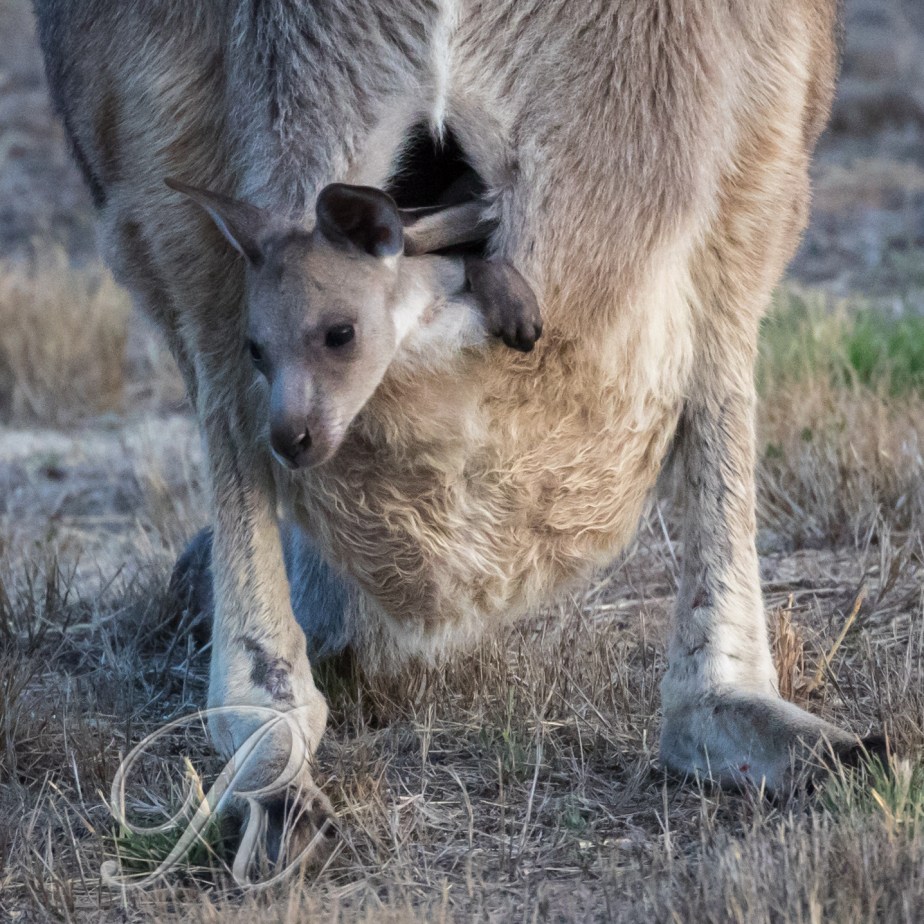
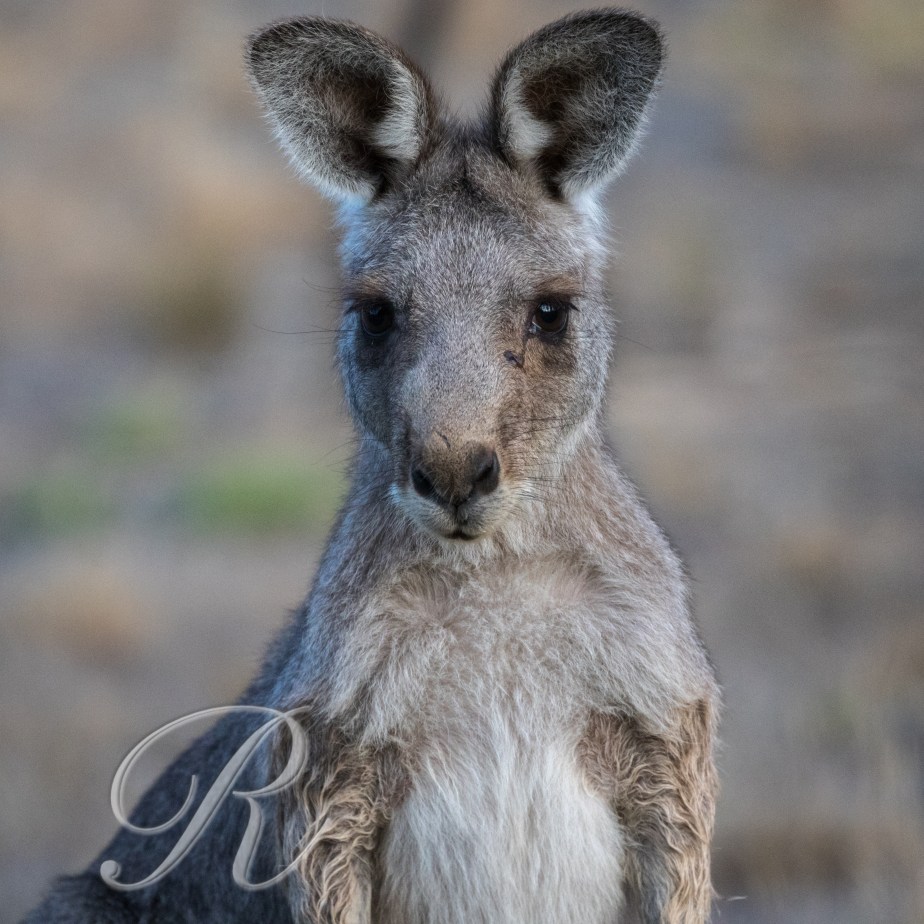
When living in country Victoria I saw Eastern Grey Kangaroos and Swamp Wallabies almost every day. The thrill never seems to wear off. Now living in town in Broome the common macropod is the Agile Wallaby and I’m not likely to see one on my front lawn. They are smaller than their Victorian cousins and abundant when you get out into the countryside.
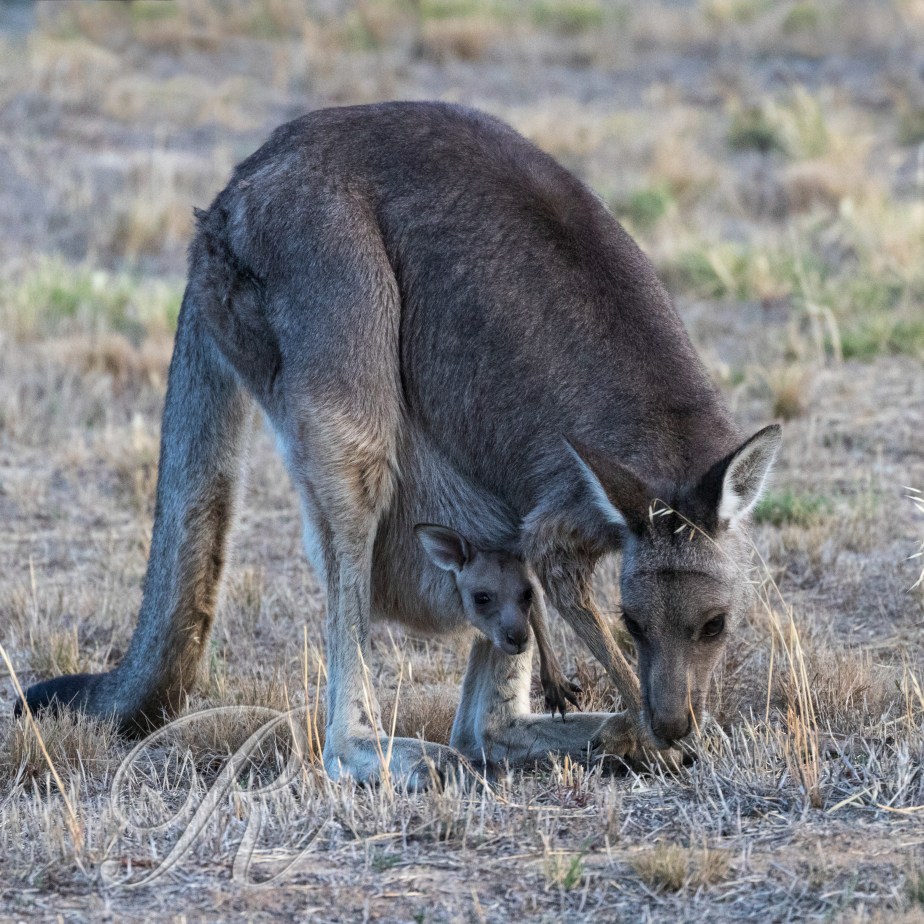
Boys are bigger than girls, body length 85cm versus 72, 27kg versus 15 when fully grown. Their tails are long and flexible doubling their length overall. As is typical of kangaroos reproduction is very efficient. There may be a joey in and out of the pouch, another small baby in the pouch fastened to a teet and a fertilised egg in a state of suspended development waiting for lactation to cease – a condition known as diapause.
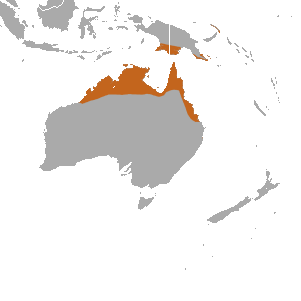
Agile Wallaby distribution.
They are the commonest macropod in their range and they have been successful over a very long time period. Their fossils have been found from Pliocene deposits in Chinchilla, Qld – that’s four million years ago. They were slightly larger back then but otherwise identical. Their future is secure in Oz but, like everything that moves, they are hunted mercilessly for bush meat in New Guinea.
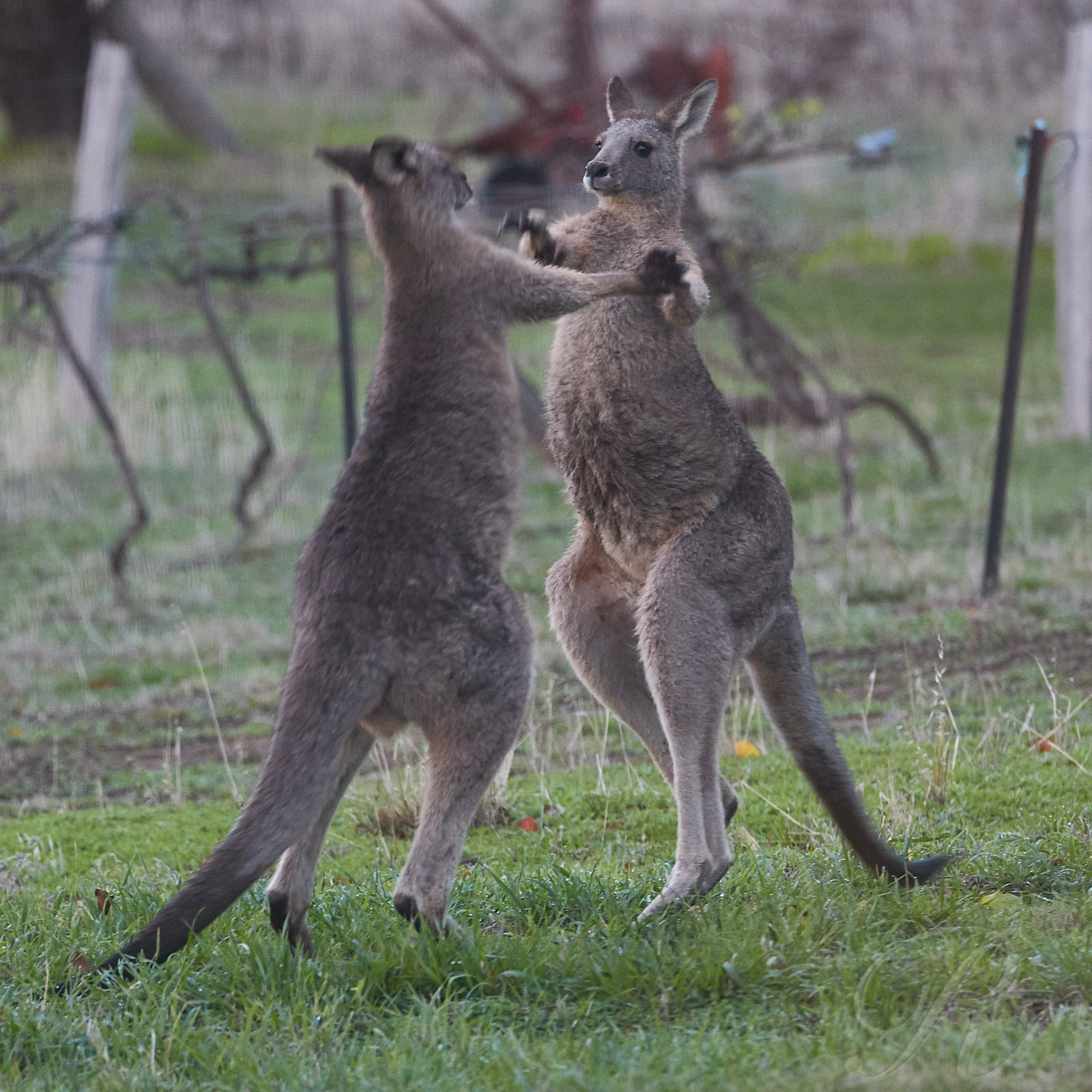
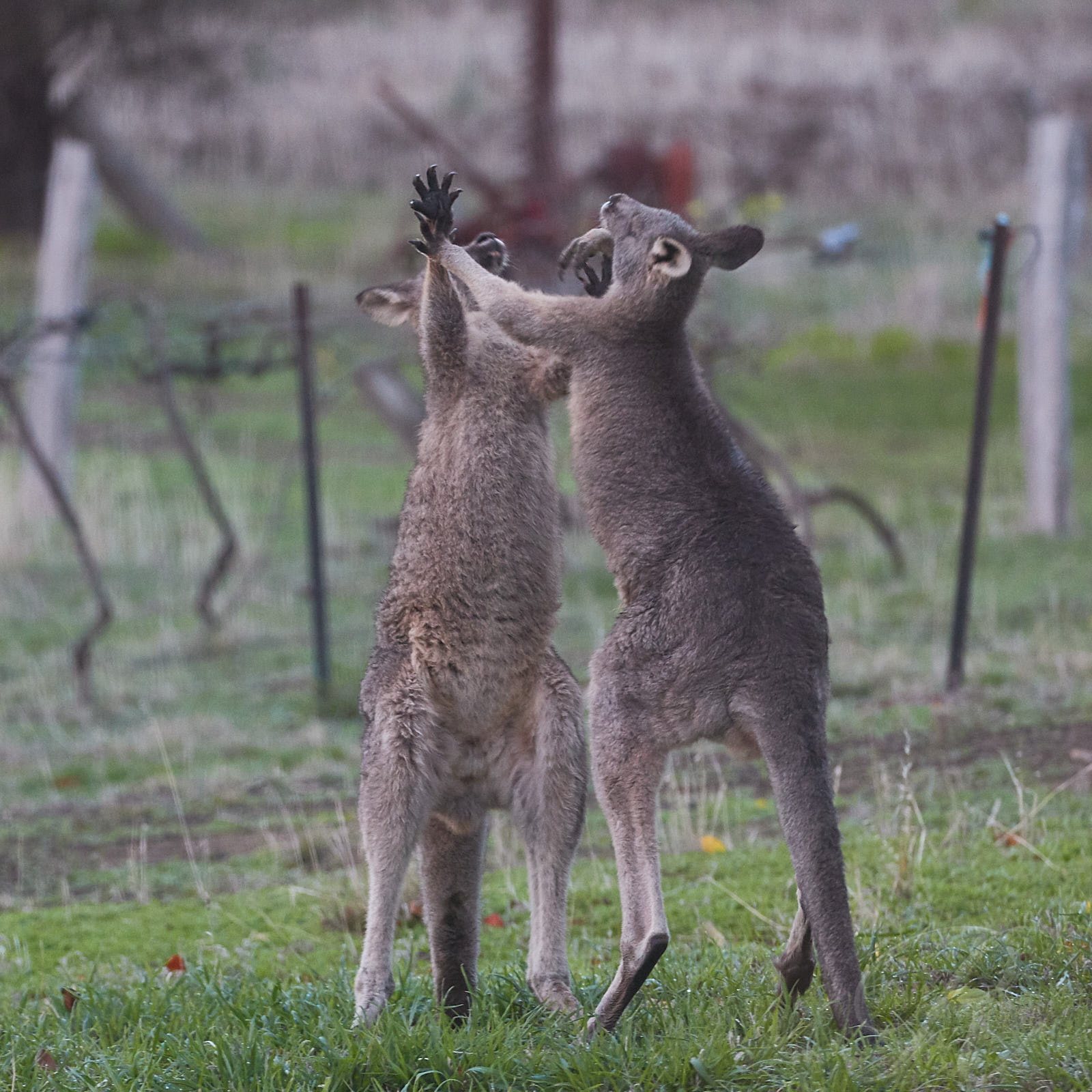
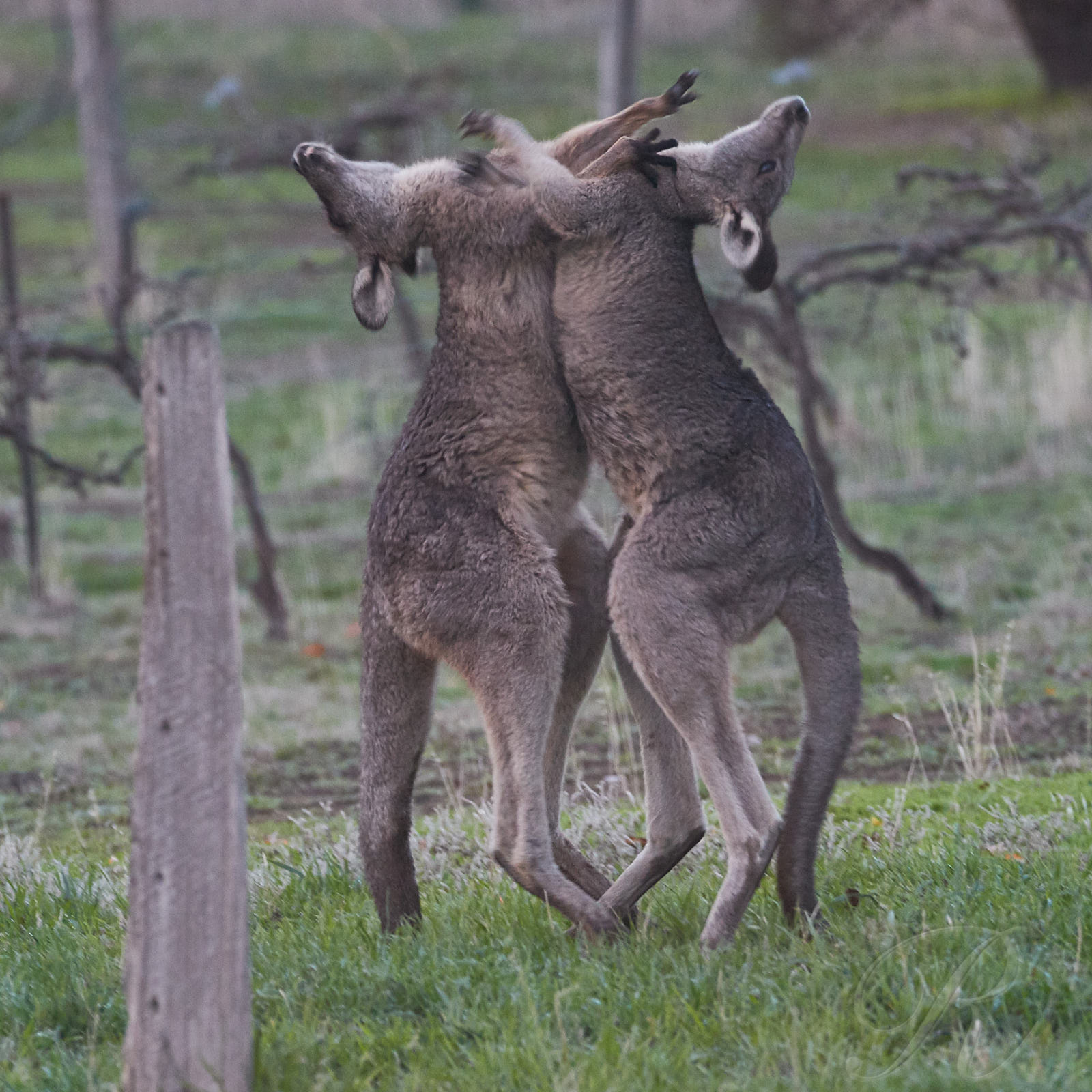
I recently heard a woman on the radio telling the presenter that kangaroos are peaceful animals and that she had learnt a great deal from them. By and large I agree that they are peaceful but they do fight and there are plenty of records of attacks on humans.
There have been some studies on kangaroo fighting, a couple of easily accessible ones can be found <HERE> and <HERE>. If you’re into lurid accounts of attacks on humans you can find a catalogue of them <HERE>. I mean, kangaroos kill people don’t they? Well yes but almost exclusively by way of motor vehicle accidents (and even in those cases there’s not always a real kangaroo involved). A hunter in New South Wales was apparently the only human killed in combat when he tried to rescue his dogs back in 1936.
Kangaroos will fight each other for resources such as food, water or access to females in oestrus. These tend to be serious engagements. Much more commonly the fights are between youngish males with no obvious prize at stake and end without significant harm to either. Mothers will also “fight” with young male offspring perhaps by way of training them for future bouts.
Males have impressive arm and chest musculature, an example of sexual selection. Skippy was clearly a female.
Scratching, pushing, punching and downward raking kicks seem to do little harm through thick fur. People of course are not protected in that way. When you watch a fight it looks as though eyes and gonads are the structures most likely to be injured.
Out on the boundary of the Central Goldfields Shire there is a spot on the map labelled Archdale. Oddly it’s easier to find on Facebook than it is on the ground. And you learn from Facebook that there is no recommended place eat, no recommended place to stay, no recommended place to drink and nothing to see. The reason is very simple. Apart from the odd farm-house there are no buildings. You wonder why they bothered to give the place a name.
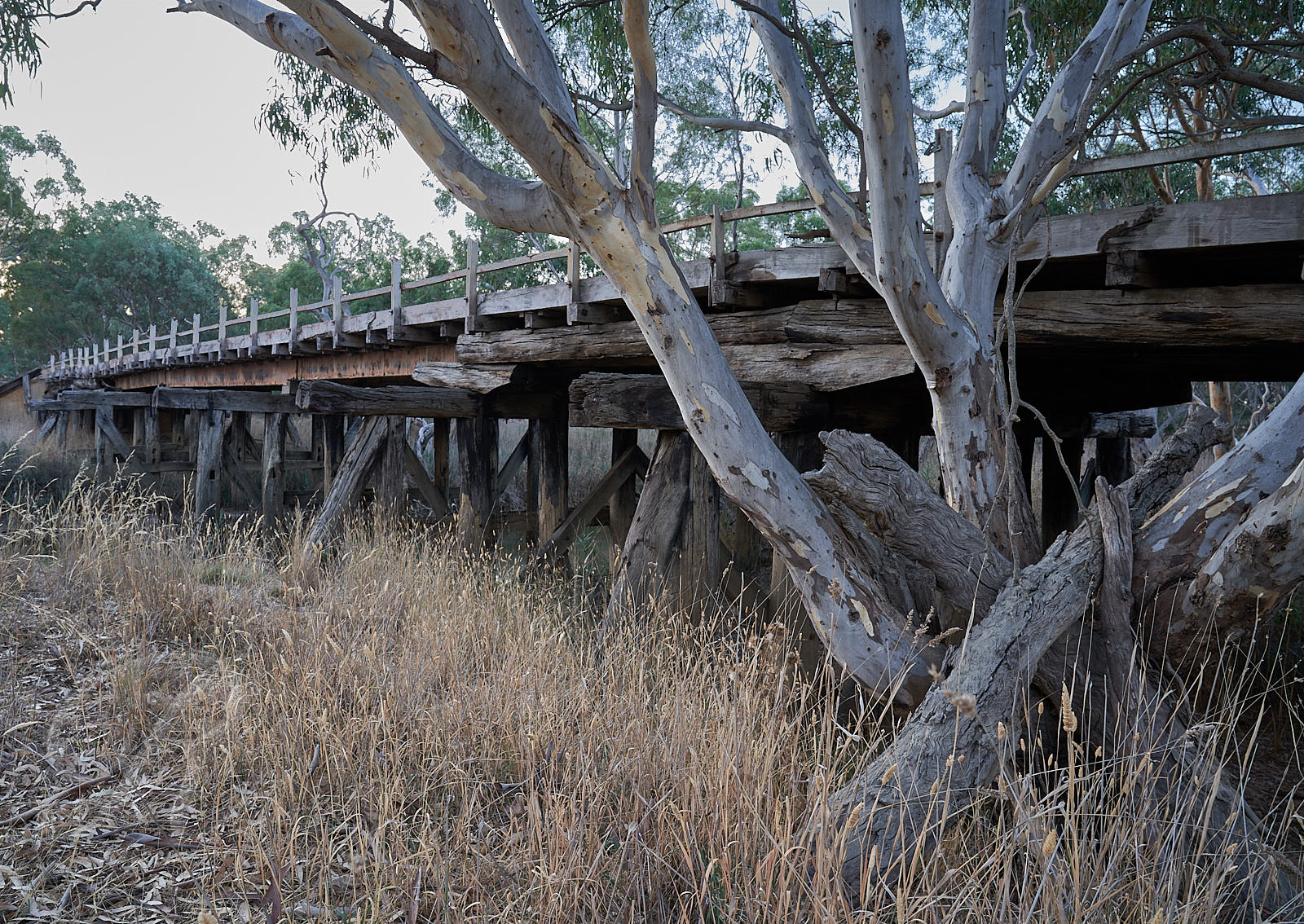
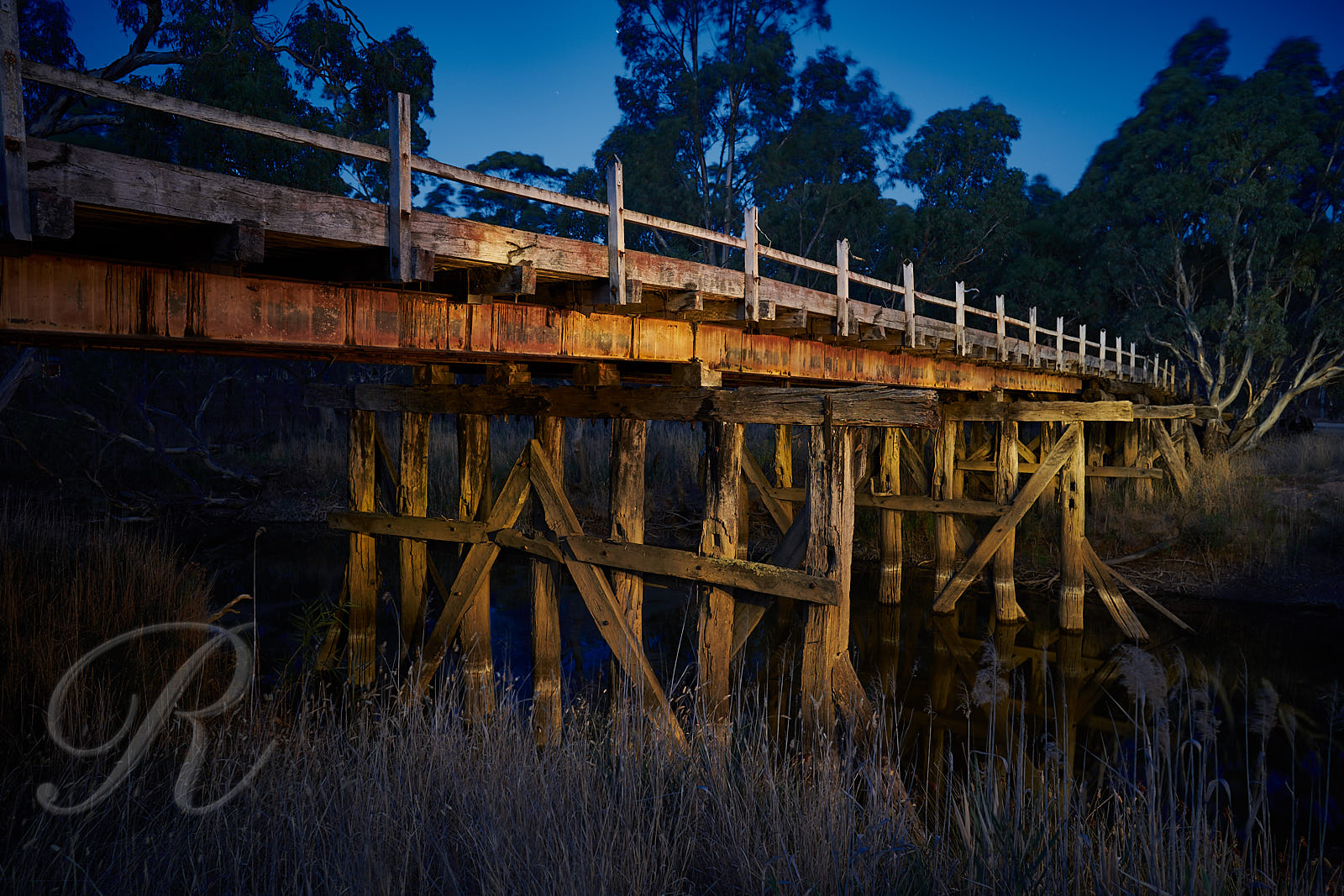
I drove through the area some time ago. I was on my way to check out the Dalynong Flora and Fauna Reserve which I had heard was a good chunk of not too badly disturbed woodland habitat. I noticed an old wooden bridge and made a note to come back and photograph it one day.
It’s not an easy spot to photograph, there is a new bridge parallel to it and it is surrounded by River Red Gum woodland. From most angles you either can’t see it or you have a modern concrete structure intruding on the ambience. It’s just a sad old bridge crumbling slowly into the Avoca River. There are no sign posts leading you there. Facebook doesn’t love it.
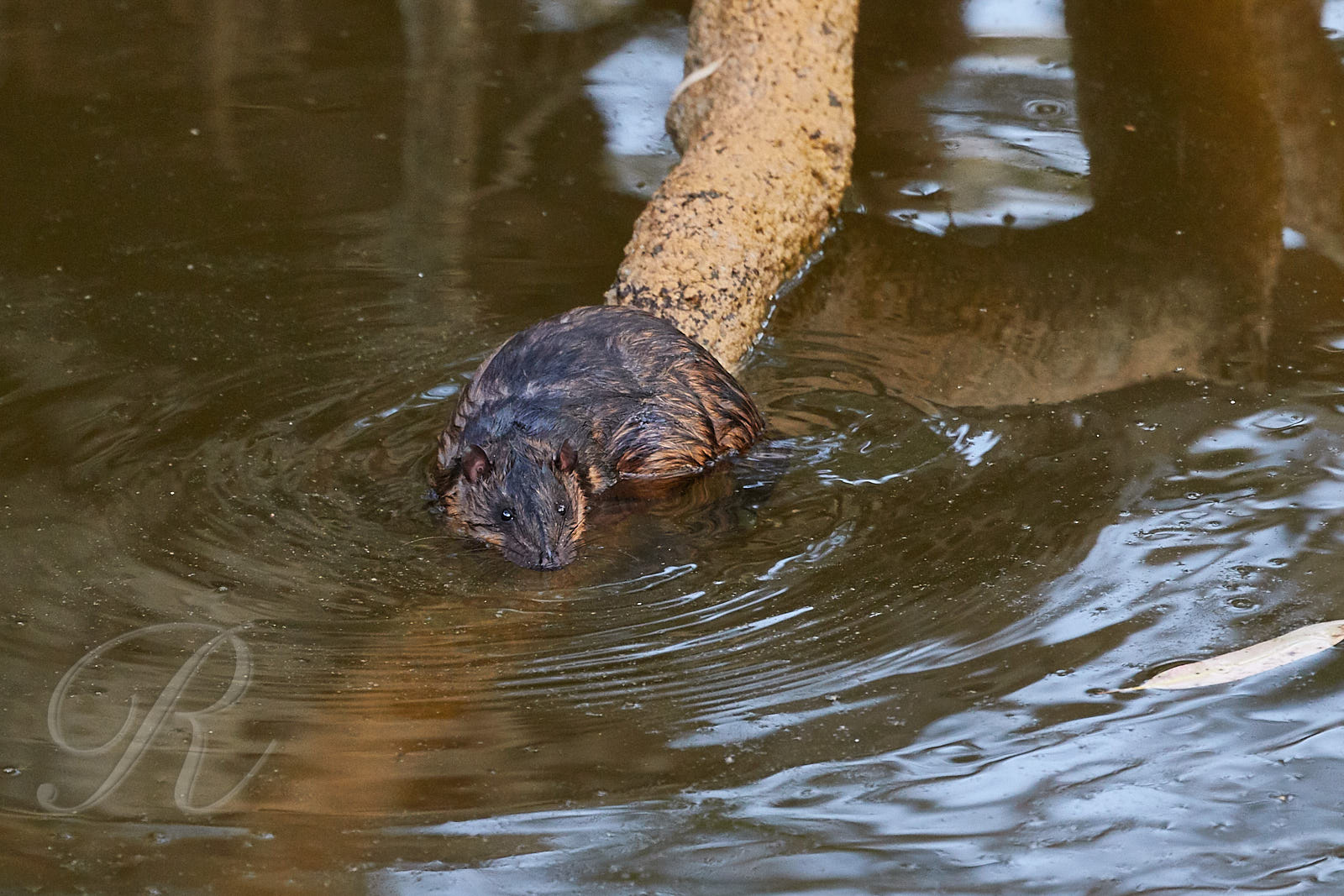
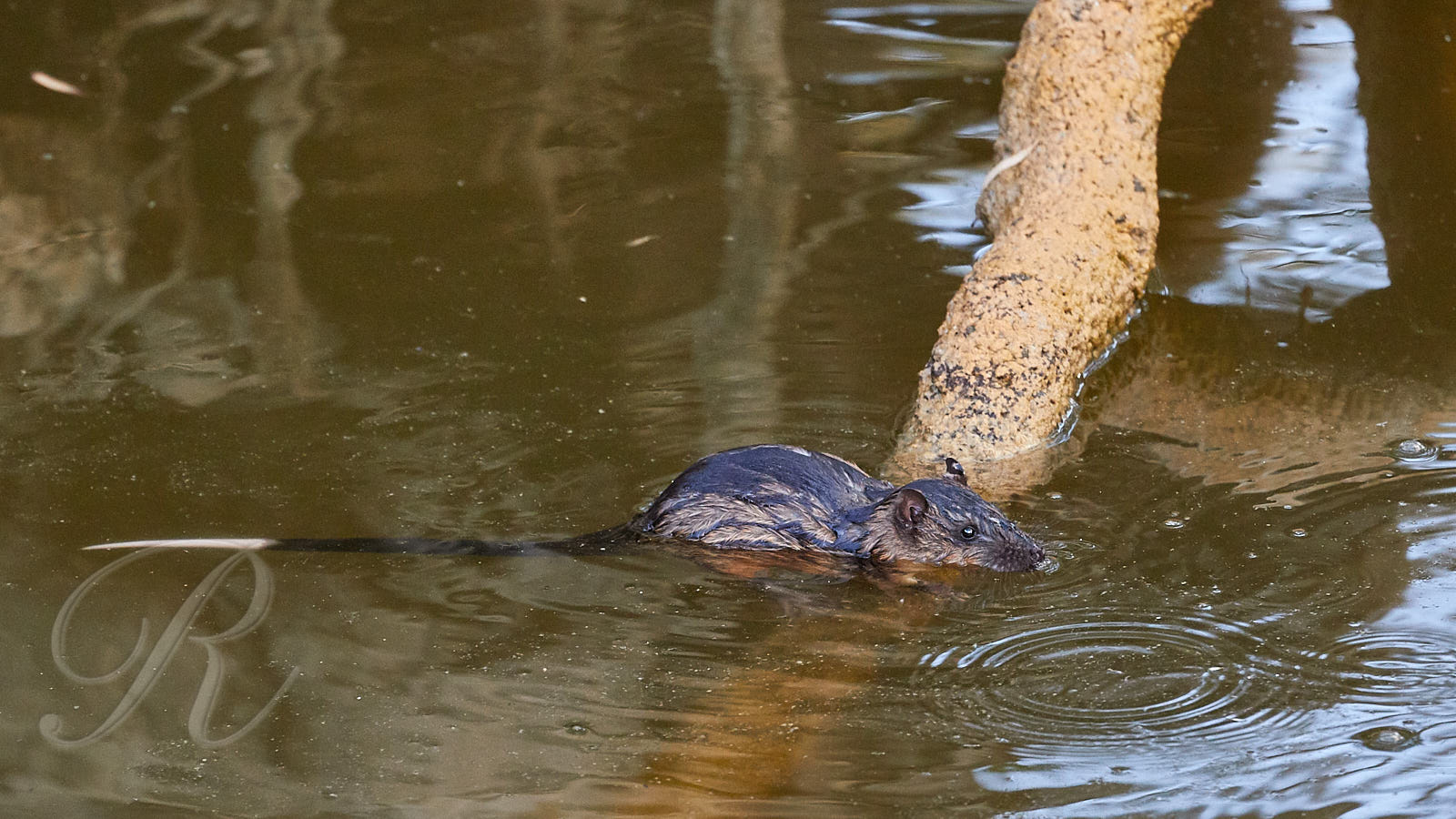
I wanted to catch it in the evening light so I spent some time poking around. I was rewarded by a pair of Rakali chasing each other’s tails in the water.
Rakali, Hydromys chrysogaster
The bridge was built in 1863 and is the oldest wooden bridge in the State of Victoria and one of only two to survive the great floods of 1870. It is heritage listed and from the statement of significance we learn that …
Archdale Bridge is technically significant for its humped timber deck, designed to permit the ready flow of flood waters. Humped bridges were not uncommon in an era of horse-drawn vehicles, but were impractical with motorized vehicles; very few survive.
Archdale bridge is one of very few timber river bridges surviving in Victoria to possess large squared-timber pier ‘caps’, combining with squared and shaped corbels. Those heavy caps, over ten metres long, are cantilevered beyond the outer piles and fixed to the pile tops by mortis-and-tenon construction. They represent very rare examples of early bridge-carpentering traditions.
I think Facebook is wrong. There’s plenty to see in Archdale. This bridge is beautiful and deserves a bit of love.
Kangaroos tend to lay up during the day, often in a wooded area, and move to their grazing area late in the afternoon. Evening and early morning are the times when drivers have to be particularly careful. The road sense of a kangaroo is fairly minimal although natural selection is working on it.
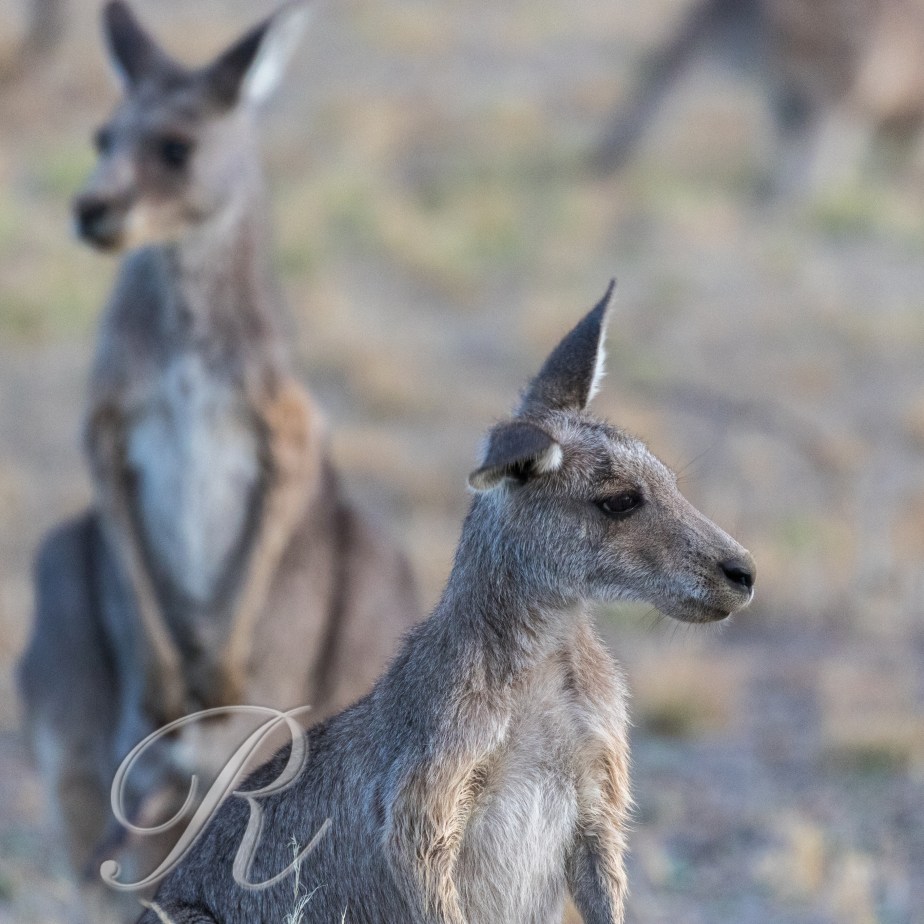
A mob of about a dozen adults plus pouch young came across my little farm the other evening. They were grazing as they came. I was accurate in my prediction of the route they would take. I hid in a large bush and they slowly made their way up to me.
They are shy. They compete directly with the local sheep for the currently scanty grass – they have no friends among the farming community.
Back in the 1840s John Gould, who was so important in the early cataloguing of Australia’s birds, described the Crested Pigeon as one of the “loveliest in its tribe … not surpassed in beauty by any other form from any part of the world”. This could be overstating it a bit.
But rare birds do tend to be admired more than the common ones and in those days he said that it could only be seen by “enterprising countrymen … prepared to leave the haunts of civilised man and wander in the wilds of the distant interior”. And the best parts of that distant interior were the marshes and ephemeral lakes of the Murray-Darling and Eyre Basins where they followed a nomadic lifestyle to cope with the frequent droughts.
Its range began to increase in the 1920s and since then it has arrived in most of the major cities of Australia and is now a fairly common bird in areas where it was formerly unrecorded. The reasons for this success have been much discussed. Climate change has got a good run and since the temperature has been slowly rising since the Little Ice Age it may have played a part. Other more major changes have occurred however. The reduction of tree cover, creation of permanent watering places and the introduction of exotic weeds all associated with pastoral activity have greatly changed the environment in its favour.
The Crested Pigeon showed great flexibility in its food requirements, consuming seeds and some leaves of many pastoral plants and weeds, notably Paterson’s Curse/Salvation Jane, Echium plantagineum, and with native plants of little importance in its diet. See Andrew Black
I came across a pair the other day that were quite confiding. This is unusual in pigeons because, as a rule, they make good eating. Perhaps they recognised me as a well educated human likely to have read the verdict of Charles Sturt, one of Australia’s great explorers, that their flesh is neither tender nor well flavoured.
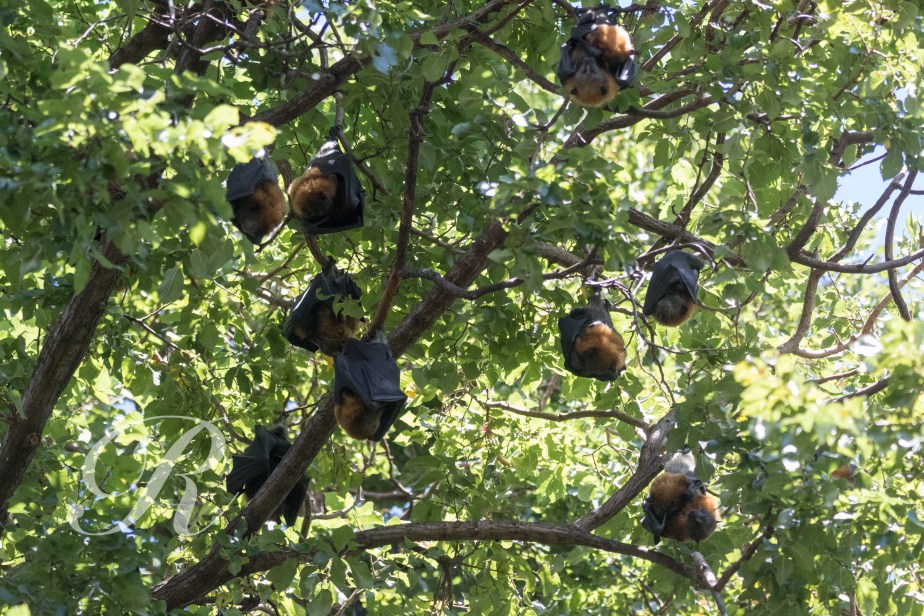
Bendigo was a boom town in the gold rush days developing rapidly and rather splendidly after 1850. It is the fourth largest town in Victoria with a population of more than 95,000 people. Last time I was there I arrived late in the afternoon with the intention of some night-time photography (see The Bright Lights of Bendigo). As I scouted around I was surprised to find a colony of Grey-headed Flying Foxes in Rosalind Park in the city centre. I made a mental note to return and get some photographs.
Grey-headed Flying Fox
Bats are the only mammals capable of sustained flight. They are a very successful group with more than 12,000 species forming the order Chiroptera (from the Greek χείρ – cheir, hand and πτερόν – pteron, wing). They are the second largest order (behind the Rodentia).
They can be divided into two groups. The microbats are typically insectivorous and use echolocation. They have a near universal distribution being found on all continents except Antarctica. Flying Foxes and their allies are large and restricted to the warm parts of the world. They don’t use echolocation. Their diet consists of succulent fruit, nectar and pollen. The fruit is crushed in the mouth, the juice swallowed and the pulp rejected.
The taxonomy has, of course, been much disputed. That Flying Foxes and microbats have different origins and developed flight independently was once a popular theory. The evidence now seems to support evolution from a single ancestral population that had taken to the air in pursuit of insects.
Flight has the great advantage of mobility at the expense of high energy requirements. Bats solved the problem of flight differently than birds making them even more maneuverable in the air and far less capable on the ground.The wing has a leading edge from the shoulder to the hand and then extends as a membrane that extends to the hind leg and may include the tail. The hind leg has also assumed the duty of hanging the animal from a perch.
Because their hindleg is somewhat tethered bats as a rule cannot take of from the ground (Vampires and the New Zealand Short-tailed Bat may be the exception). However they climb quite nimbly, head first, and once a few feet off the ground can take off losing a little height initially.
Australia has four species of Flying Fox and four more close allies. They are restricted to the northern and eastern forests. The Grey-headed Flying Fox Pteropus poliocephalus is the largest of them (typically 600 – 800 grams but a few as much as a kilogram) and the only one to form permanent colonies in Victoria.
They choose humid shady places for their communal daytime roost and fly out as much as 50km at night to feed. Presumably they have been summer visitors to Victoria for centuries. Europeans have planted ornamental figs and orchards of fruit trees that have induced them to stay. From 1986 there has been a permanent colony in the Botanical Gardens in Melbourne and since then a few colonies have formed at other sites. The Bendigo colony began in 2010 where there are about 2000 bats in summer with about 200 staying over winter.
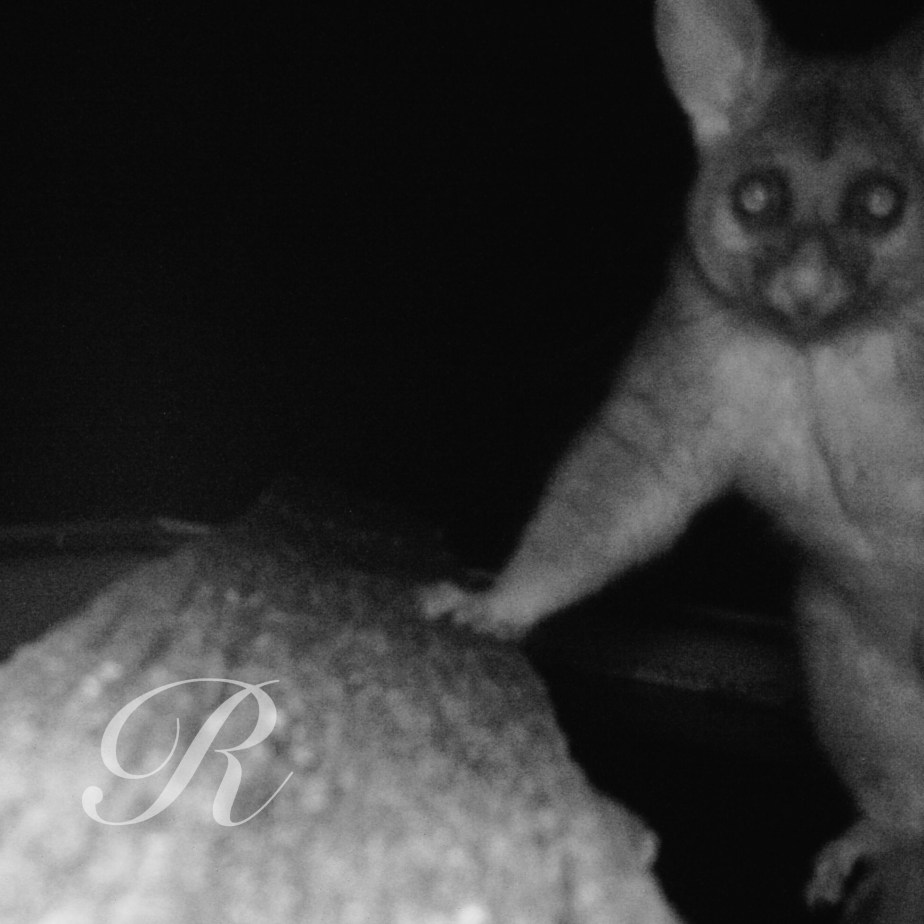
My sojourn at the seaside basking in the cool weather was over. Back at the farm it had continued hot. The list of visitors to the water point continued to grow in my absence.
We once had a Brushtail Possum come down the chimney. We could hear it stuck in the flue and summoned the chimney sweep to push it down into the wood stove which I hasten to add was not alight. My reward for rescuing it was a bite on the finger.
They’re not all bad news though. At least they save me from eating any of the fruit we grow. And fortunately they don’t eat the grapes. It’s the birds do that.









 bobmcgee